US Aid to Ukraine Analysis
🤖
This summary has been produced automatically by an AI Large Language Model (LLM) without any human intervention. Whilst every effort has been made to prompt the LLM to produce accurate output, there may be inconsistencies, inaccuracies or hallucinations!
Table of Contents 📖
| Topic ID | Topic Title | Timestamp |
|---|
"Nothing else the US could have done or spent defence and aid funds upon could have been as productive in ensuring the security of the US against one of the two major powers that could threaten the US, as well as its partners and allies."
Hello Team!
Jonathan revisits the important topic of US aid to Ukraine, using Republican presidential candidate Vivek Ramaswamy's recent debate comments as a segue. Ramaswamy's views on Ukraine have been controversial and supportive of Russia's goals.
Return to top⤴️
Ramaswamy's Controversial Views
- Ramaswamy favours ending all US military aid to Ukraine, excluding Ukraine from NATO, and allowing Russia to occupy regions of Ukraine in exchange for Russia ending its alliance with China
- He has called Zelensky a bully and stated the US goal should not be for Putin to lose
- Jonathan strongly disagrees with Ramaswamy's stance, calling it either completely naive or disingenuous
GOP Debate on Ukraine
- Ramaswamy's position on stopping aid to Ukraine received applause from the debate audience, which is worrying
- Other GOP candidates like Christie, Pence, and Haley pushed back against Ramaswamy, emphasizing the importance of supporting Ukraine
- The GOP field is split on the issue, with some believing the US is getting a good return on its aid investment
Why the US Should Support Ukraine
- Supporting Ukraine is in the US's geopolitical strategic interest, not just charity
- Aid to Ukraine allows the US to fight a proxy war with Russia without US military casualties, uniting democracies and punishing Russian aggression
- Failing to support Ukraine would have dire consequences for US leadership, alliances, and security guarantees globally
- Aid to Ukraine provides practical military and diplomatic experience for the US and NATO to modernize and cooperate in warfare
Comparing US and Allied Aid
- The US has given the most aid to Ukraine in absolute terms, but as a percentage of GDP, smaller nations like Estonia, Latvia, and Lithuania have given more
- European allies are suffering more economic consequences from supporting Ukraine and sanctioning Russia, with higher inflation rates than the US
- Aid efforts are collective, with the US, EU, UK, and other partners all contributing in various ways
How US Military Aid is Structured
- Much of the US military aid comes from existing stockpiles of older equipment, which is given a value but doesn't represent new spending
- Aid is budgeted and spread over multiple years, with actual cash flow in a given year being a fraction of the total pledged amount
- Sending aid to Ukraine allows the US to offload old equipment it would have to pay to dispose of otherwise, while acquiring new, modern replacements
- Some aid is structured as loans or grants that must be spent on the US defence industry, stimulating the US economy
Benefits to the US Defence Industry
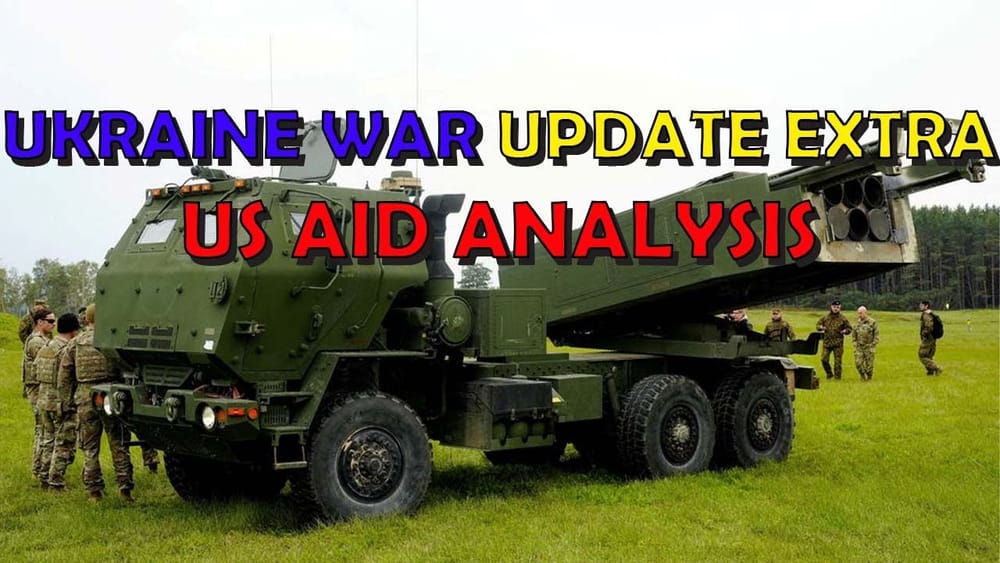
- Ukraine aid acts as advertising for US defence products like HIMARS, driving up international demand
- Aid leads to expanded production and job creation throughout the US defence industry supply chain
- Countries are shifting away from Russian equipment and looking to buy from the US and NATO allies instead
Wrap up
Jonathan emphasizes that US aid to Ukraine is a strategic investment with significant geopolitical, military, and economic benefits for the US and its allies. He argues that the US government should better communicate these nuances to the American public to counter misconceptions about the nature and purpose of the aid.
Return to top⤴️
🤖❓ AI Debrief (post task) - anything the AI didn't understand
🤖💭 AI Plan (pre task) - the AI's step by step thought process
Steps:
Identify the main topics covered in the video
Summarize each topic, providing enough context and detail
Include Jonathan's insights, analysis, and opinions where relevant
Use British English spelling and grammar
Format the summary using the provided XML structure
Select a key quote from the video
Review the summary to ensure all topics are covered adequately